This task can be performed using GrowthMap
The growth solution every indie developer struggles to solve
Best product for this task

GrowthMap
marketing
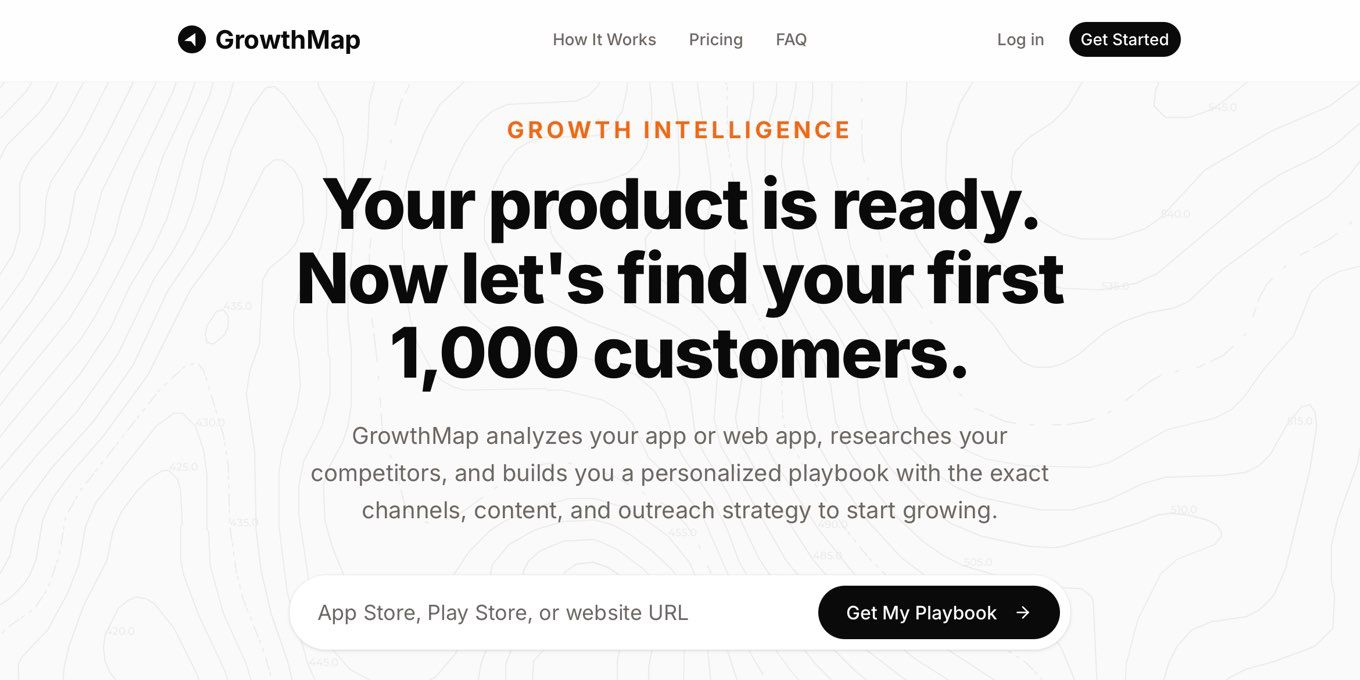
GrowthMap will help you find your first 1,000 customers. It analyzes your app or Saas, researches your competitors, and builds you a personalized playbook with the exact channels, content, and outreach strategy to start growing.
If your SaaS or app has few visitors and downloads, use competitor research to identify keywords you can realistically target. This guide shows how to collect competitor terms, compare SEO and app store opportunities, and verify which changes deserve your next sprint.
Prepare a simple competitor keyword worksheet
Before researching, record:
- Your product URL or App Store or Google Play listing
- Three to five direct competitors
- Your audience and primary use case
- Current page titles, descriptions, and listing copy
- Any known traffic, ranking, or conversion data
Choose competitors that solve the same problem, not merely products with similar features. For example, an indie developer building a habit-tracking app should compare with other habit apps, not general productivity software. The deciding factor among marketing products is whether they support this exact workflow.
Create columns for:
| Keyword | Competitor | Platform | Intent | Difficulty | Action |
|---|---|---|---|---|---|
| habit tracker for ADHD | App A | Product research | Medium | Create guide | |
| daily habit tracker | App B | App store | Download | Unknown | Test listing copy |
This worksheet becomes your SaaS keyword research competitor analysis record. It also prevents interesting terms from becoming disconnected ideas.
Find SEO keywords from competitors for SaaS
Search each competitor’s website and note repeated language in:
- Page titles and headings
- Feature pages
- Comparison pages
- Blog posts
- Frequently asked questions
- Meta descriptions
Use a competitor keyword research tool for SaaS to add estimated search volume, ranking difficulty, and current ranking pages where available. Prioritize terms that match a specific problem and appear achievable for an early-stage domain.
For example, a project management SaaS may discover that competitors rank for “simple client project tracker.” That phrase is more useful than a broad term such as “project management” because it reveals a defined audience and job to be done.
Next, classify each term:
- Commercial: the searcher may buy or sign up.
- Problem-aware: the searcher is looking for a solution.
- Educational: the searcher needs instructions or comparisons.
A practical SEO strategy for bootstrapped SaaS usually starts with specific commercial and problem-aware terms. Link relevant findings to SaaS marketing products only when you are evaluating tools for this exact research task.
Run app store competitor keyword research
For apps, inspect competitor listing titles, subtitles, short descriptions, long descriptions, categories, and review language. Look for phrases users repeat when describing desired outcomes, frustrations, or alternatives.
Do not copy a competitor’s brand terms. Instead, collect generic phrases such as “meal planner,” “budget tracker,” or “offline meditation.” Then check whether each phrase fits your product and could support a useful screenshot, feature, or description claim.
For an early app, divide opportunities into:
- Core discovery terms: describe the product category.
- Use-case terms: describe why someone downloads it.
- Audience terms: identify a particular user group.
- Alternative terms: show comparison or replacement intent.
This process supports app store listing optimization for indie developers and Google Play listing optimization for indie apps. It is also useful for diagnosing whether weak downloads come from poor keyword relevance, unclear positioning, or a product mismatch.
Turn the findings into tests and verify them
Select three to five opportunities, then map each to one change:
- One website page title and heading revision
- One focused comparison or use-case page
- One app title or short description test
- One screenshot caption aligned with user intent
- One article answering a competitor-related question
Before publishing, run an on-page SEO audit for your SaaS website and check that every target term appears naturally in the page’s topic, copy, and call to action. Avoid stuffing keywords into descriptions or adding claims your product cannot support.
More topics related to GrowthMap
Similar topics
- GrowthMap Alternatives for Building a SaaS Customer Acquisition Plan
- How to Find Your First 1,000 SaaS Customers or App Users
- How to Build a Personalized Growth Plan for an Indie SaaS or App
- How to Use Competitor Research to Find SaaS and App Growth Opportunities
- From Zero Users to 1,000 Paying Customers: A Competitor-Driven Growth Workflow for Indie Apps